

Article Summary: Our society has developed an unfair stigma toward anger in women, and that’s made anger a difficult emotion to manage. Some of the most common signs of anger issues in women include negative self-talk, perfectionism, deep resentment, emotional withdrawal, chronic exhaustion, uncontrollable outbursts, frequent regret, and hurting others.
On the surface, anger is a totally normal emotion that everyone feels from time to time.
And, in most cases, we can learn to acknowledge, control, and move beyond our anger.
Sometimes, though, anger can spill out of control—turning into full-blown anger issues.
For women, this can become especially complex. As a society, we don’t permit women the same “permission” to lash out as we do with men.
As a result, we occasionally miss the warning signs of anger issues among women.
Continue reading to learn more:
Table of Contents
Why Anger Isn’t Always A Bad Thing
The Stigma Behind Anger In Women
Real Signs of Anger Issues In Women
Therapy for Anger Issues In Women
Why Anger Isn’t Always A Bad Thing
As a society, we often think of anger as a negative emotion, but it is a 100% normal psychological and physiological response to the world around us.
Think about it: Even babies feel anger!
In many ways, anger is a survival instinct; it plays an important part in our fight, flight, freeze, or fawn response.
At its core, anger is a protection mechanism. It increases blood pressure and pulse rate, and it prepares the body for physical conflict.
Fifty thousand years ago, when we were still threatened by wild animals, this would have been a good thing. Anger can help us protect ourselves, our family, our home, or our property.
But in a complex social world built on social relationships and cultural expectations, uncontrolled anger can be unfairly judged as problematic—especially among women.
The Stigma Behind Anger In Women
Although anger is a totally normal emotion, our society often holds a sexist bias against women who openly express their anger (even in situations where a woman doesn’t have anger issues).
It’s a complex issue: A woman may feel angry, but if she expresses that anger and frustration, she could be labeled as difficult or, worst of all, a “bitch.”
So, instead of speaking her anger, she bottles it up, keeping the frustration inside—which can do greater long-term damage to both her psyche and her physical body.
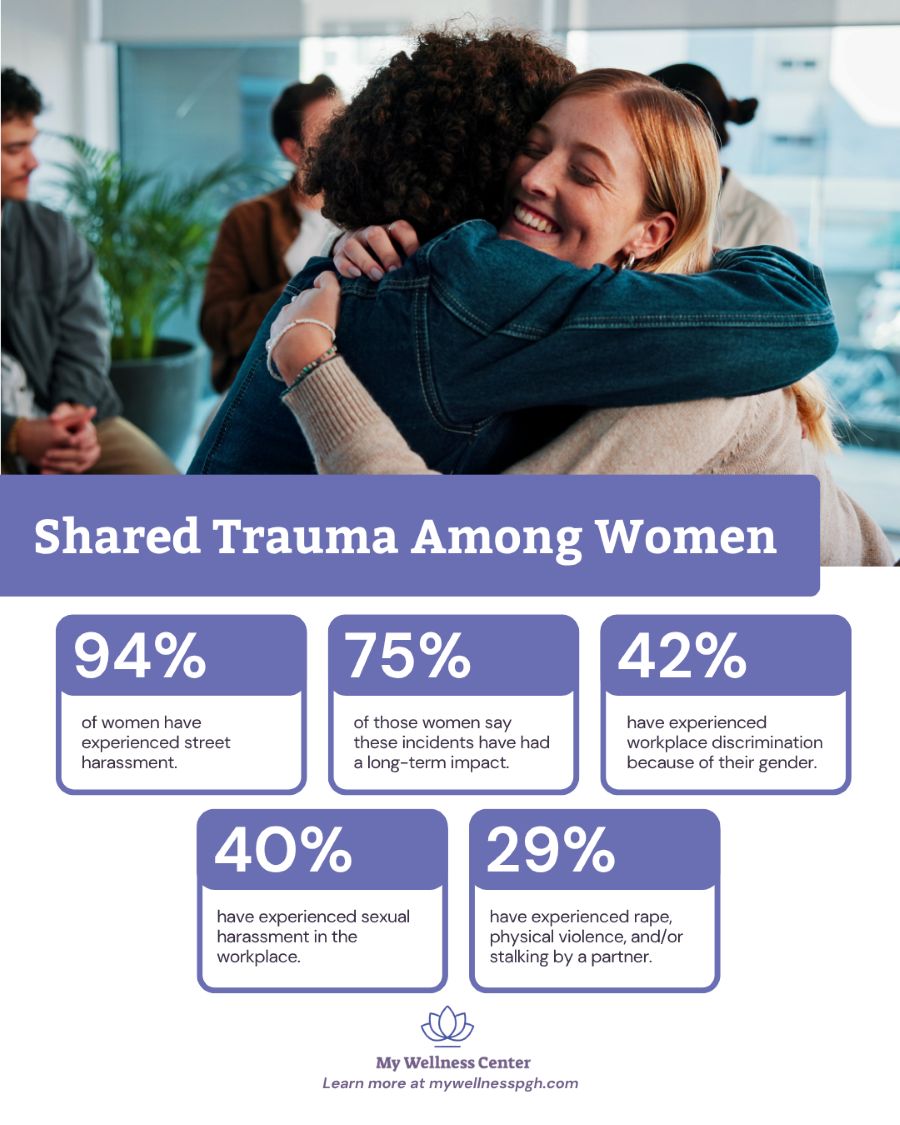
That’s not good, especially when you consider there is still a profound shared trauma among women everywhere:
- 93.7% of women have experienced street harassment, according to research from the University of Nottingham, and this harassment frequently causes them to change their daily behaviors, routines, or routes.
- 74.9% of these women say these incidents left a long-term impact on them.
- 42% of women say they have experienced workplace discrimination because of their gender.
- About 40% of women have experienced sexual harassment in the workplace, according to a 2024 report.
- 29% of women have experienced rape, physical violence, and/or stalking by a partner.
Despite all of these social injustices, the stigma remains.
Related Reading: What Is Complex Trauma In Adults?
Real Signs of Anger Issues In Women
When angry, men are much more likely to attack the people or world around them, according to the Women’s Health Network. Women, meanwhile, often turn that anger against themselves.
Some of the biggest signs of anger issues in women include:
1. Negative Self-Talk
While we most commonly associate negative self-talk with depression, anxiety, or low self-esteem, it’s also a symptom of chronic anger, especially among women who have a tendency to turn that anger inward.
I’ve seen many clients who fall into a thought pattern that looks like this:
- “This made me angry.”
- “It shouldn’t have made me angry.”
- “Something is wrong with me because I got angry.”
2. Perfectionism
If there’s one thing I’ve learned in my years of therapy, it’s that a desire to be perfect is often caused by past trauma.
Among women with anger issues, perfectionism is often a protection mechanism: If someone is perfect in everything they do, they can prevent conflict with themselves and others.
3. Deep Resentment
Anger doesn’t always explode. Sometimes, it quietly builds over months or even years.
Women who feel unable to openly express their frustration may begin holding onto past arguments, betrayals, disappointments, or unfair treatment. Eventually, that unresolved anger can turn into deep resentment toward a partner, family member, coworker—or even themselves.
4. Emotional Withdrawal
Some women respond to anger by emotionally shutting down. Instead of arguing, yelling, or confronting the problem, they may become unusually quiet, distant, or disconnected from the people around them.
While taking space can be healthy, regularly withdrawing to avoid difficult emotions can allow anger and resentment to continue building beneath the surface.
5. Chronic Exhaustion
When we’re angry, our body is flooded with hormones (like adrenaline) that pump our body full of energy. When our hormones return to normal levels, we may feel tired.
If you’re carrying anger with you throughout the day, you could place extra stress on your body and mind, which leads to fatigue.
6. Uncontrollable Outbursts
Extreme anger can feel like it’s hijacking our mind, taking control of our body, actions, and words.
You might suddenly yell, slam doors, throw something, send an angry text, or say something intentionally hurtful.
If these reactions feel disproportionate—or difficult to stop once they begin—it may be time to explore what’s fueling them.
7. Frequent Regret
If you find yourself feeling regretful about things you said or did while angry, you might have unaddressed anger issues.
A common pattern is becoming overwhelmed, reacting impulsively, and then feeling guilty once the anger passes. If you’re regularly apologizing for your behavior after arguments, the anger itself deserves attention.
8. Hurting Others
Anger becomes especially concerning when it begins hurting the people around you.
That harm isn’t always physical. Insults, intimidation, threats, manipulation, breaking belongings, or intentionally saying things designed to cause emotional pain can all be signs that anger has become unhealthy and that professional support may be helpful.
Related Reading: What the Lindsay Clancy Trial Teaches Us About Postpartum Depression & Postpartum Psychosis
Therapy for Anger Issues In Women
If you feel like you’re struggling with anger issues, contact us.
Our compassionate therapists can help you understand what’s really happening in your body and mind—and we can help you understand the root of your anger and healthy strategies for managing those emotions.