
Article Summary: Social media addiction impacts approximately 5%–10% of Americans. Some of the best strategies for breaking social media addiction include: working with a trained professional, turning off notifications, deleting apps from your phone, using blocking tools, and replacing social media time with other activities.
When Meta, the parent company of Facebook and Instagram, agreed to pay $18 billion to settle its lawsuit over childhood social media addiction, it was only a tiny step toward progress.
People have complained about social media addiction for decades—all the way back to AOL chat rooms.
As platforms like MySpace and Facebook took off 20 years ago, the problem only became worse.
Now, in 2026, Meta isn’t the only corporate giant that has intentionally created and promoted addictive social media platforms. Major lawsuits remain for Snapchat, TikTok, and YouTube.
Despite the constant news cycle of the dangers of social media addiction, usage remains near an all-time high.
It’s gotten so bad that Australia created an outright ban for children under 16 years of age.
But over here in the States, social media addiction runs rampant. Approximately 5%–10% of Americans meet the criteria for social media addiction.
Like all substance abuse, social media addiction can become deadly. Continue reading to learn how to break social media addiction.
Table of Contents
The Problem With Social Media Addiction
Bergan Social Media Addiction Scale
Other Signs of Social Media Addiction
How to Break Social Media Addiction
Find Support for Social Media Addiction
The Problem With Social Media Addiction
Social media has become totally commonplace in society. It seems like everyone—from young teens to grandmothers—is on social media for multiple hours per day. And the research backs it up:
- Worldwide, the average person spent nearly 2.5 hours per day on social media in 2025.
- The average US teen spends 4.8 hours on social media per day, according to the American Psychological Association.
- Among adults ages 50+, nearly half spend at least an hour per day on social media.
With social media so prevalent, many struggle to identify when it transitions from a pastime to a full-blown addiction.
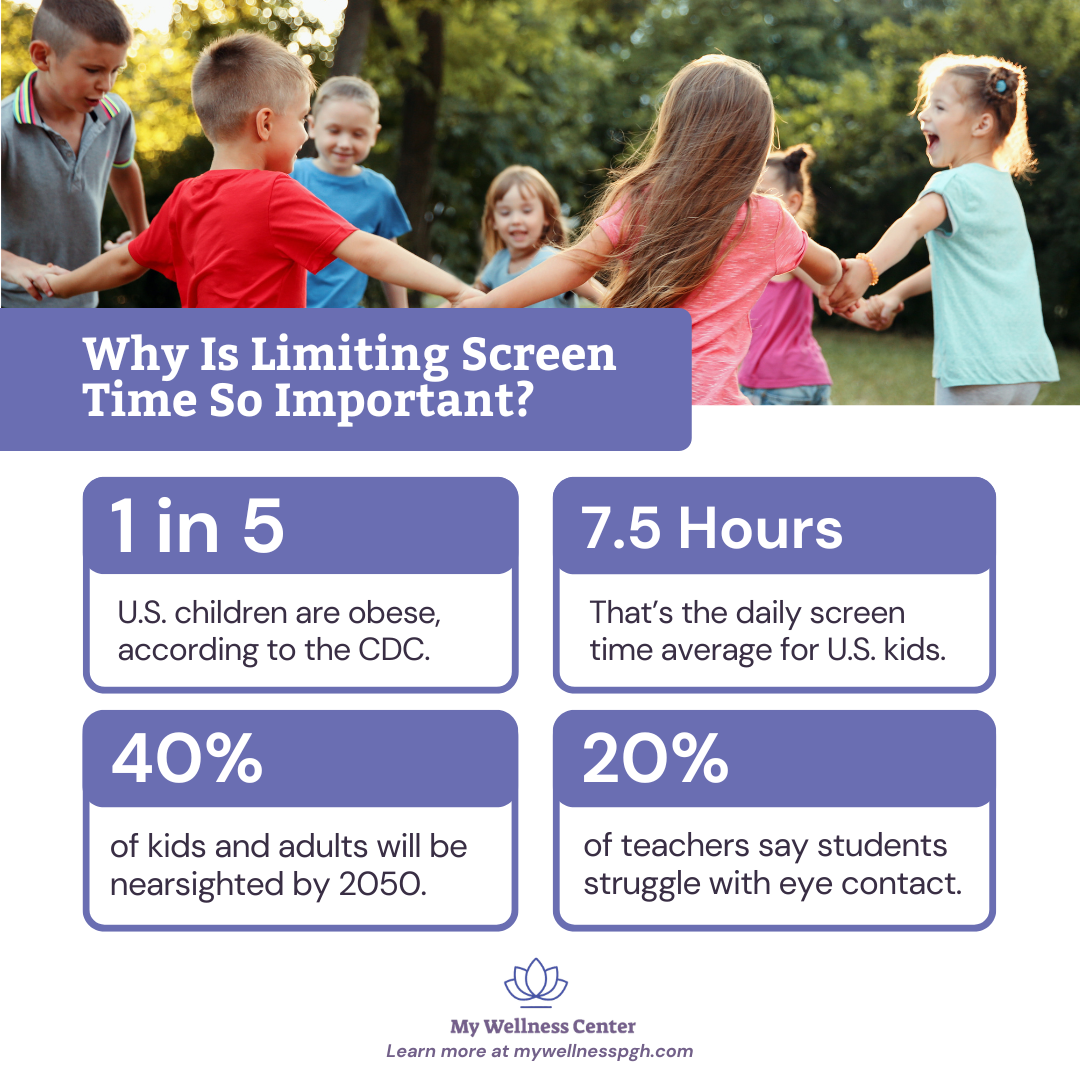
And it’s not just addiction that’s harmful. Learning how to limit screen time is critical for:
- overall health and wellness
- developing social skills
- managing tech-related anxiety
Bergen Social Media Addiction Scale
One of the most scientific strategies for identifying the risk for social media addiction is the Bergen Social Media Addiction Scale.
This scale was initially developed by a team of researchers at the University of Bergen in Norway back in 2012. At the time, it was specifically intended to uncover addiction to Facebook, but it has since been modified to highlight all social media platforms.
You can try the scale yourself by answering each of the questions with one of five answers:
- Very Rarely – 1
- Rarely – 2
- Sometimes – 3
- Often – 4
- Very Often – 5
The Questions
- You spend a lot of time thinking about social media or planning how to use it.
- You feel an urge to use social media more and more.
- You use social media in order to forget about personal problems.
- You have tried to cut down on the use of social media without success.
- You become restless or troubled if you are prohibited from using social media.
- You use social media so much that it has had a negative impact on your job/studies.
Understanding the Scores
Here’s what your total score could mean:
- 6–18: You have a low risk of social media addiction, and your usage is likely “healthy.”
- 19–24: You may engage in problematic or risky social media use.
- 25–30: You could have a clinical social media disorder.
Remember: Only a trained professional can accurately determine whether you have an addiction.
Other Signs of Social Media Addiction
Too much social media can lead to elevated rates of depression, anxiety, and low self-esteem. Other major symptoms to watch for include:
1. Loss of Control of Screen Time
If your screen report shows hours and hours of screen time every day, you may have an addiction—especially if you feel like you’ve completely lost control over how much time you spend scrolling (either on your phone or on your desktop).
You might also pull up your social media feed at inappropriate times, such as:
- When you’re driving
- When you’re in class
- When you’re at work
- During family dinner
- During church
- Before going to bed
- Immediately after waking up
- Whenever there is a lull throughout the day
2. Hiding Your Usage
Like many addictive behaviors, problematic social media use can come with secrecy.
You might minimize how much time you spend online, quickly close an app when someone walks into the room, delete your screen-time history, or lie to your partner about how long you’ve been scrolling.
If you regularly feel embarrassed, defensive, or dishonest about your social media habits, that could be a sign that you already recognize your usage has become unhealthy.
3. Disruption to Relationships
Like all addictions and substance abuse, social media addiction can interfere with your relationships. A few examples:
- Scrolling through your phone during family dinner prevents meaningful conversations.
- Flipping through social media during your child’s baseball game suggests disinterest in their passions.
- Needing to film a social media reel instead of joining friends for lunch can fracture the relationships you’ve worked so hard to establish.
Over time, you can damage your marriage, your connection with family members, your relationships with friends, and even your position at work.
4. Neglecting Other Duties
Social media becomes a serious problem when scrolling begins replacing responsibilities or activities that once mattered to you.
You might skip school or work, put off household chores, abandon hobbies, ditch social outings, or procrastinate on important projects because you can’t pull yourself away from “doomscrolling.”
The big question to watch for: Does social media consistently prevent you from living the rest of your life?
5. Anxiety From Not Checking Social Media
How do you feel when you can’t access your favorite social media platform?
People with problematic social media use may feel restless, anxious, irritated, or uncomfortable when their phone dies, the internet goes out, or they’re stuck somewhere they can’t check notifications.
You may also experience a nagging fear that you’re missing an important message, trending story, comment, or update. If being disconnected causes genuine distress, your relationship with social media may deserve a closer look.
6. Sleep Loss
Between addiction keeping you up late at night and the bright screen disrupting your circadian rhythm, you may suffer from major sleep loss as a result of social media addiction.
7. Constantly Thinking About Social Media
Social media addiction doesn’t necessarily end when you put your phone down.
You may find yourself constantly thinking about:
- the next time you’ll log on
- the next video you’ll create
- how many likes your post received
- whether someone responded to your comment
- what you’ll post later
When social media begins occupying a significant amount of your mental space—even while you’re doing something else—it may be interfering with your ability to stay present in everyday life.
How to Break Social Media Addiction
Addiction is a serious issue that is best addressed with the help of a trained professional. But some of the best steps you can take to break social media addiction include:
1. Turn Off Notifications
Notifications are the beginning of the social media addiction loop that so many of us find ourselves in. A notification pops up, and the next thing you know, you’ve spent three hours watching videos.
Stop the cycle at the beginning by turning off the notifications for your social media apps.
2. Delete Problematic Apps (And Consider Deleting Your Profiles)
It might sound impossible when so much of your life is tied to social media, but deleting social media apps from your phone can be a critical step in overcoming social media addiction.
And the benefits can appear quickly.
One study in the Behavioral Sciences Journal found that a single week of detoxing from social media can:
- Improve sleep quality
- Increase sleep duration
- Enhance mood
- Increase productivity
- Boost interpersonal connections
- Reduce anxiety, stress, and depression
While it’s easy to delete an app from your phone, it’s also easy to reinstall it. If you’d like to challenge yourself further, delete your account from the social media profile before removing the app to create another barrier to engaging with the technology.
3. Use Blocking Tools
Developers have launched a variety of productivity-focused tools to block out social media profiles, and you can download them to support your efforts. Consider tools like:
- AppBlock – One of the most popular productivity tools, AppBlock lets you block apps and websites on your phone during set schedules.
- Freedom – Freedom is intended to block distracting websites and apps, and it reportedly helps users save 2.5 hours of time every day.
- SelfControl – This Mac OS app blocks websites for set periods of time.
4. Replace Social Media With Offline Activities
Removing social media from your day won’t automatically remove the desire for social media.
Find meaningful activities to replace your social media usage. This could include:
- Spending time with supportive friends.
- Finding a new hobby to fall in love with.
- Focusing on exercise to naturally boost feel-good hormones.
Find Support for Social Media Addiction
If you’re struggling with social media addiction, contact us.
Our compassionate therapists can help you regain control of your life.